
Garment Manufacturing: Complete Process Guide from Tech pack to Shipping
Garment manufacturing is a connected sequence of decisions, from the first tech pack to the final export carton. This guide shows how garment manufacturing works at Velzio Apparel in Sialkot, Pakistan, so international clothing brands know exactly what happens at every stage.
How Garment Manufacturing Works: Every Stage Has a Purpose
Garment manufacturing is not one single factory action. Design information, fabric behaviour, pattern accuracy, workmanship, branding and packing must stay aligned, because a change in one area affects every stage after it.
At Velzio Apparel, garment manufacturing runs in four connected phases: product development, production preparation, factory execution and order release. The route can vary by garment type and decoration method, but approval always comes before irreversible production work. For wider industry context, see this overview of the clothing industry and our location in Sialkot.
12 Steps From Product Idea to Finished Order
Each step below explains what happens, why it matters and what is reviewed. The route changes slightly by fabric, decoration and construction, but the goal stays the same: keep the approved product direction clear from development to dispatch.
Turn Your Idea Into a Clear Manufacturing Direction
Before fabric is cut, the garment must be understood. This phase connects your brief, specifications, pattern and sample so the factory works from a practical reference instead of assumptions.

Inquiry & Product Brief
Every garment manufacturing project starts with a clear brief. Your product list, quantity, size range, sketches, tech packs and artwork define what is actually being produced. A clear brief reduces assumptions and gives the team a solid base for feasibility, sampling and quotation.
- Product type, quantity and size range
- Tech pack, sketch or reference garment
- Branding, packaging and delivery needs
Specification & Feasibility
The brief is then reviewed from a manufacturing point of view. Fabric behaviour, construction, measurements, trims and labels all affect how the garment should be made. Conflicting details are caught here, before they turn into production problems.
- Fabric, construction and customization
- Measurements, trims, decoration, labels
- Open questions affecting cost or timing
Pattern & Sample Development
A pattern turns measurements into cuttable garment pieces, and the sample makes those decisions visible. Fit, proportions, seams and artwork position are easier to judge on a real garment, so revisions happen before bulk preparation begins.
- Pattern development and construction route
- Sample fit and visual review
- Revision points before approval
Fit, measurements, construction and revisions are reviewed before the sample becomes the reference for production.
Protect the Approved Product Before Bulk Cutting
Materials, colour, trims, fabric consumption and approved references come together here, so the production floor receives one consistent set of instructions.
Fabric, Trims & Colour Alignment
Fabric composition, weight, stretch and colour change how a garment feels and performs. Threads, zips, elastics, cords and labels must also match the approved direction, which prevents small differences from becoming visible inconsistencies in the finished order.
- Composition, weight, feel and colour
- Threads, zips, elastics and cords
- Labels and approved colour references
Pre-Production Alignment
Before bulk cutting, the approved sample, measurement chart, artwork placement, labels, folding method and quantities are gathered into one production reference. Everyone should work toward the same product definition, and unclear details are settled now, not after a large quantity is made.
- Approved sample and measurement chart
- Artwork placement and finishing details
- Size breakdown and packing instructions
Marker, Spreading & Cutting
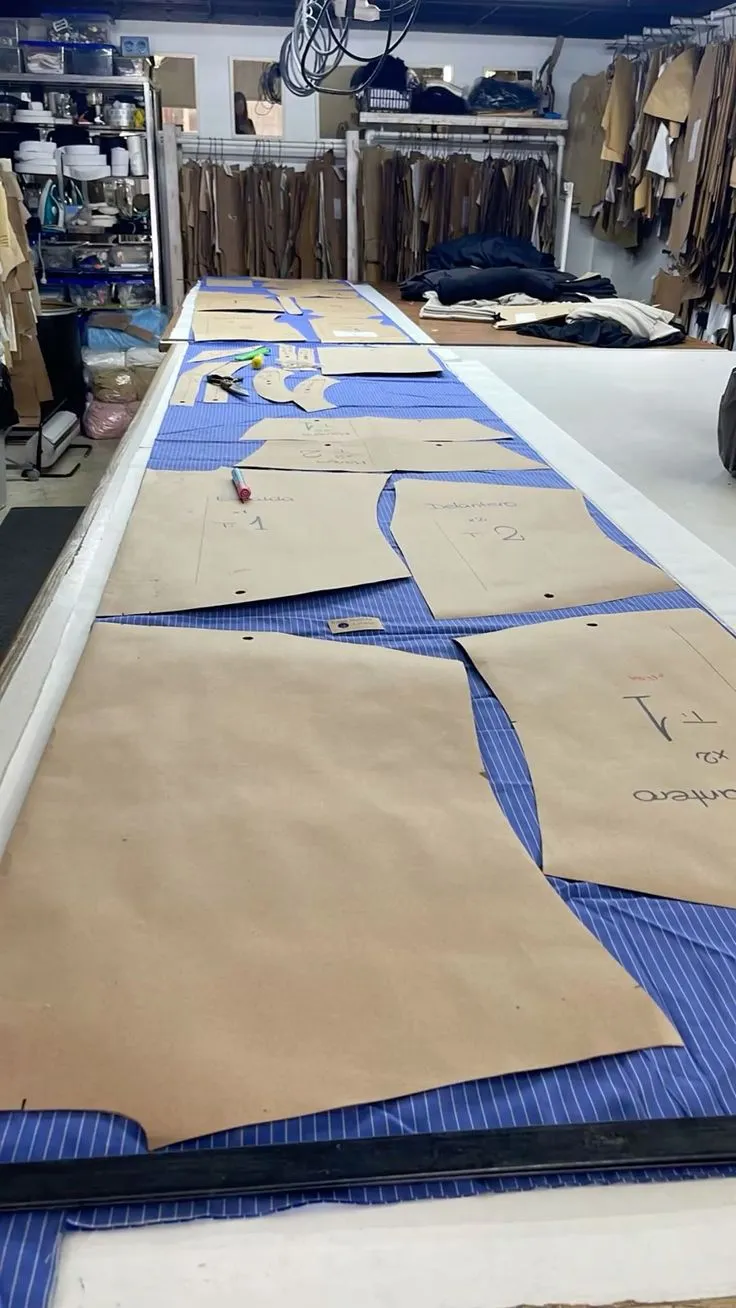
Pattern pieces are arranged by size and fabric width, fabric is spread in layers and the cutting plan produces the required components. Accurate cutting keeps dimensions consistent, and proper grouping ensures the sewing line receives complete, correctly identified sets.
- Pattern and size allocation
- Fabric direction, spreading and layers
- Cut-part grouping and identification
Sample, materials, artwork, size breakdown, quantities and packing requirements should agree before bulk work advances.
Build the Garment Through Decoration, Stitching and Finishing
This is where prepared components become garments. The operation sequence changes by product, but every operation follows the approved construction and branding direction.
Printing, Embroidery & Decoration
Branding is applied according to approved artwork, placement, scale and colour. Depending on the garment, the method may be screen printing, transfer, embroidery or sublimation. Placement matters because decoration must work with seams, panels and final construction.
- Artwork size, position and colour
- Print, transfer, sublimation or embroidery
- Compatibility with fabric and construction
Stitching & Garment Construction
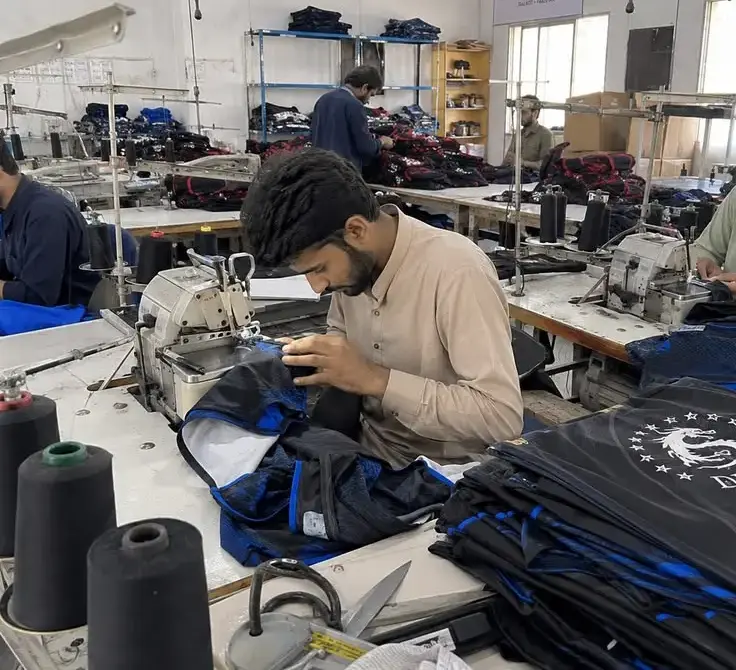
Cut components are assembled in the sewing sequence the garment requires. Collars, sleeves, pockets, waistbands and specialist details are joined in an order that supports the final shape. In-process checks catch workmanship issues while the garment is still on the line.
- Operation-specific machines and seams
- Component matching and sewing sequence
- In-process workmanship checks
Thread Trimming, Pressing & Labels
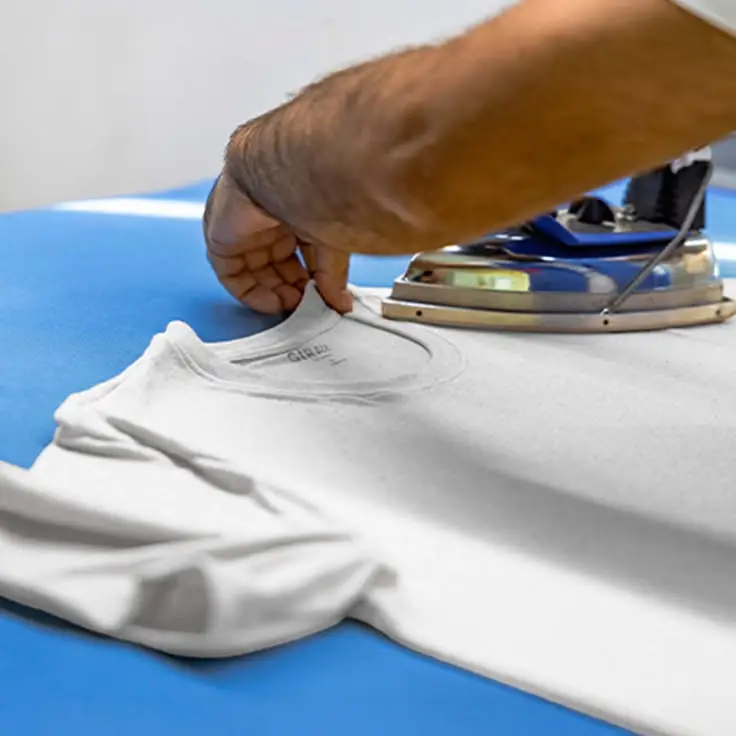
After construction, finishing improves presentation and prepares the garment for inspection. Loose threads are trimmed, pressing is done to suit the product, and brand, care and size labels are checked against the approved direction.
- Thread trimming and visible finishing
- Pressing suited to the garment
- Brand, care and size label confirmation
The completed garment is assessed against the approved direction before final inspection, packing and release.
Inspect the Finished Order, Then Prepare It for Handover
The final phase links inspection with presentation, carton organisation and shipment preparation, so the order is ready for its chosen delivery route.
Measurement & Workmanship Review
Final inspection treats the garment as a complete product. Measurements, stitching, artwork, trims, labels, colour and sizing are compared with the approved reference, so discrepancies are found before the order is packed and released.
- Finished measurements and sizing
- Stitching, artwork, trims and labels
- Colour, workmanship and quantity checks
Folding, Packing & Carton Planning
Packing turns finished garments into an organised shipment. Folding style, individual packaging, size and colour identification and carton markings follow the agreed requirements, which makes cartons easy to handle and match to the order.
- Folding and individual packing
- Size, colour and assortment marking
- Carton organisation and packing data
Export Preparation & Handover
Garment manufacturing ends with a clean handover to logistics. Carton details, packing information and delivery instructions are aligned with the selected route, whether courier, air freight or sea freight, so the next stage of delivery can begin.
- Packing list and carton information
- Courier, air or sea freight coordination
- Handover details and shipment references
Brief → Feasibility → Sampling → Materials → Pre-Production → Cutting → Decoration → Stitching → Finishing → Inspection → Packing → Export
The exact route changes by garment type, material and decoration. What stays constant is the need to define the product clearly, approve key details, manufacture against the approved direction and check the finished order before release.
Quality Checks Belong Before, During and After Assembly
Final inspection cannot reverse every earlier decision. Reliable garment manufacturing places checks where materials, information and workmanship can still be corrected.
Explore Custom ManufacturingBefore Production
Approved sample, measurements, artwork, materials and trims.
During Production
Cut components, operation sequence, seam appearance and placement.
After Production
Finished measurements, workmanship, labels, packing and quantity data.
What You Share and What the Factory Clarifies
Good communication turns assumptions into written decisions and keeps garment manufacturing on schedule.
Commercial & Product Direction
- Product list and target quantity
- Tech pack, measurements or references
- Colour and artwork files
- Size range and quantity breakdown
- Labels, packaging and delivery context
Feasibility & Production Alignment
- Open specification questions
- Material and construction direction
- Sampling requirements and review points
- Quotation assumptions
- Production and packing confirmations
Garment Manufacturing Adapts Without Losing Control
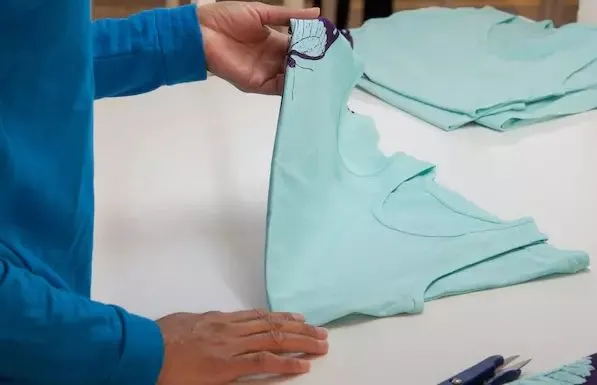
A hoodie, a sublimated football kit and a lined swimsuit do not share one construction path. Their patterns, fabrics, decoration and specialist operations differ, yet the same control principle applies to each.
Define the product, approve the reference, protect the specification during production and check the finished order before release. Explore the categories we manufacture:
Questions to Answer Before Production Starts
Every project has its own specifications, but these answers explain the normal logic of garment manufacturing.
Discuss a Product BriefHow does garment manufacturing work?
Garment manufacturing moves through brief review, sampling, material preparation, cutting, decoration, stitching, finishing, inspection, packing and export handover. Approvals at key points keep the finished order aligned with the approved sample.
Does every order follow exactly the same process?
No. The route depends on garment type, material, construction, decoration and project scope. The four core phases stay useful while individual operations change.
Why is sampling important before bulk production?
A sample makes fit, measurements, construction, artwork and finishing visible. It gives a practical reference for revisions and approval before bulk work begins.
What should be approved before cutting?
The sample, measurements, material and colour references, artwork, trims, labels, quantities, size breakdown and packing instructions should all be agreed.
Can changes be made after bulk production starts?
Some changes affect materials, patterns, cut components, decoration, cost or timing, so each request is reviewed for feasibility rather than assumed harmless.
How is quality control handled?
Checks can occur at material, sample, cutting, sewing, finishing and final-order stages depending on the project. The approved specification is the comparison point.
What information helps prepare an accurate quotation?
Share product types, quantities, specifications, material direction, size range, artwork, trims, labels, packing and delivery context. Mark unknown details for discussion.
Bring the Brief. We’ll Map Your Garment Manufacturing Route.
Share your garment types, specifications, target quantities, artwork and finishing needs for an initial production discussion.
Start a Manufacturing Inquiry